Wilderness Landscape & Natural Heritage
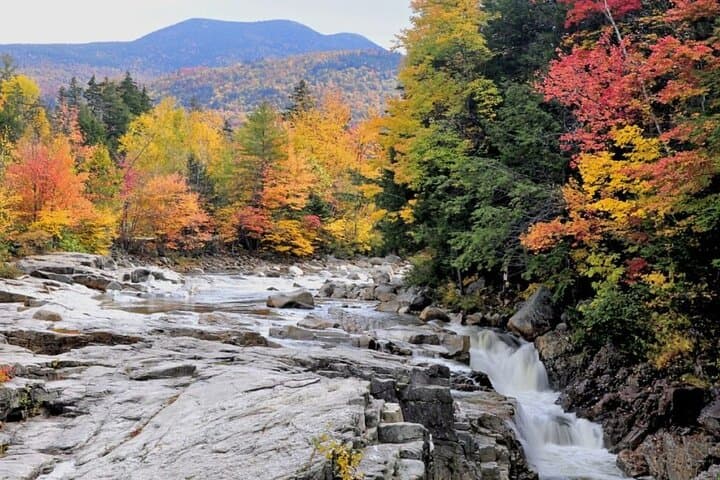
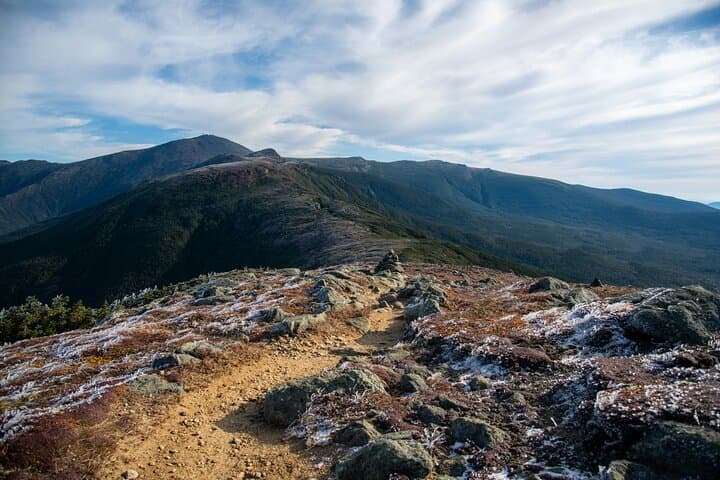
Located in the heart of the White Mountains of New Hampshire, Franconia Notch State Park is a picturesque mountain pass known for its breathtaking scenery and diverse outdoor recreation opportunities. The park comprises a unique blend of natural, historical, and recreational features across its expansive landscape. The rugged terrain features iconic formations like the Flume Gorge, a stunning natural chasm, and Echo Lake, a beautiful spot for swimming and canoeing. Visitors are drawn to the park's extensive network of hiking trails, including parts of the renowned Appalachian Trail. The park is also home to the Cannon Mountain Aerial Tramway, offering panoramic views of the mountains. Wildlife enthusiasts can spot species like moose and black bear in the lush forests. The park's literacy history is highlighted by sites like The Old Man of the Mountain, a former rock formation that symbolized the state's identity until its collapse in 2003. This state park is a year-round destination offering winter sports enthusiasts opportunities for skiing and snowshoeing.
Exploring the Untamed Beauty of Franconia Notch State Park
In the heart of New Hampshire's majestic White Mountains lies Franconia Notch State Park, an awe-inspiring mountain pass that beckons adventurers with its panoramic views and abundant outdoor activities. This remarkable park encompasses a rich blend of natural, historical, and recreational marvels across its vast 6,692 acres of protected land. With over 20 miles of elaborate trails, Franconia Notch is a sanctuary for hikers seeking the serene embrace of nature and the thrill of discovery.
The Flume Gorge, an 800-foot-long natural chasm, awaits those craving exploration. Its wooden boardwalks provide an intimate journey through towering granite walls complemented by the rush of waterfalls, offering a sensory feast for visitors. Standing as a testament to human engineering amid nature's splendor, the Cannon Mountain Aerial Tramway lifts you into the skies, where breathtaking vistas of the surrounding mountains unfold—a sight that lures families and explorers alike.
For those who find peace by the water, Echo Lake paints a tranquil image with its clear waters set against the backdrop of towering peaks. It's a hub for swimming, canoeing, and basking in the scenic grandeur with a picnic. Meanwhile, Profile Lake invites anglers and contemplative souls alike with its reputation for trout fishing and reflection of the formidable Cannon Cliff. This lake, steeped in history, bears witness to nature's ability to adapt and transform over time.
One cannot explore Franconia Notch without contemplating its literary history highlighted by the Old Man of the Mountain site. Although the iconic rock formation, which mirrored a human profile, succumbed to natural forces in 2003, its spirit remains an integral part of New Hampshire's identity.
Embarking on the Franconia Ridge Loop Trail is not for the faint-hearted, yet rewards those who dare with unmatched panoramic views of the Presidential Range. This 8.9-mile trek is a testament to the park's rugged beauty, challenging but accessible to those prepared for a day of hard hiking. For a gentler yet equally enchanting adventure, the Flume Gorge Trail offers a two-mile round trip that delivers the gorge's magic in a manageable hike.
As winter blankets the park in snow, Franconia Notch transforms into a playground for snow sports enthusiasts. With options for skiing, snowshoeing, and snowboarding, it offers a dynamic blend of activity and scenery year-round. Yet, with beauty comes responsibility. Visitors are reminded of the delicacy of this environment and must tread softly to preserve its integrity for future generations.
Whether you're a seasoned trekker or a family seeking a day out in nature, Franconia Notch State Park melds inspiration with practicality. Plan your visit in the late spring or the vibrant hues of early fall for the best experience, bearing in mind that weather in the mountains can change swiftly. Layers are your friend, as temperatures often fluctuate from warm highs in summer to chilly lows in winter. For a quieter experience, visiting on a weekday is ideal, especially when riding the Tramway or exploring Flume Gorge.
With accessible roads via Interstate 93, and campgrounds like Lafayette Place and Franconia Notch State Park Campground providing varying levels of immersion into the wilderness, logistics are travelers' allies here. As you chart your path through this New Hampshire gem, let the park's untamed beauty remind you of the spirit of adventure that lies just beyond the horizon.